
Digital Transformation Strategies for Mid-Sized Enterprises
Digital Transformation Strategies for Mid-Sized EnterprisesBy Gauri Kulkarni | September 12, 2025 |
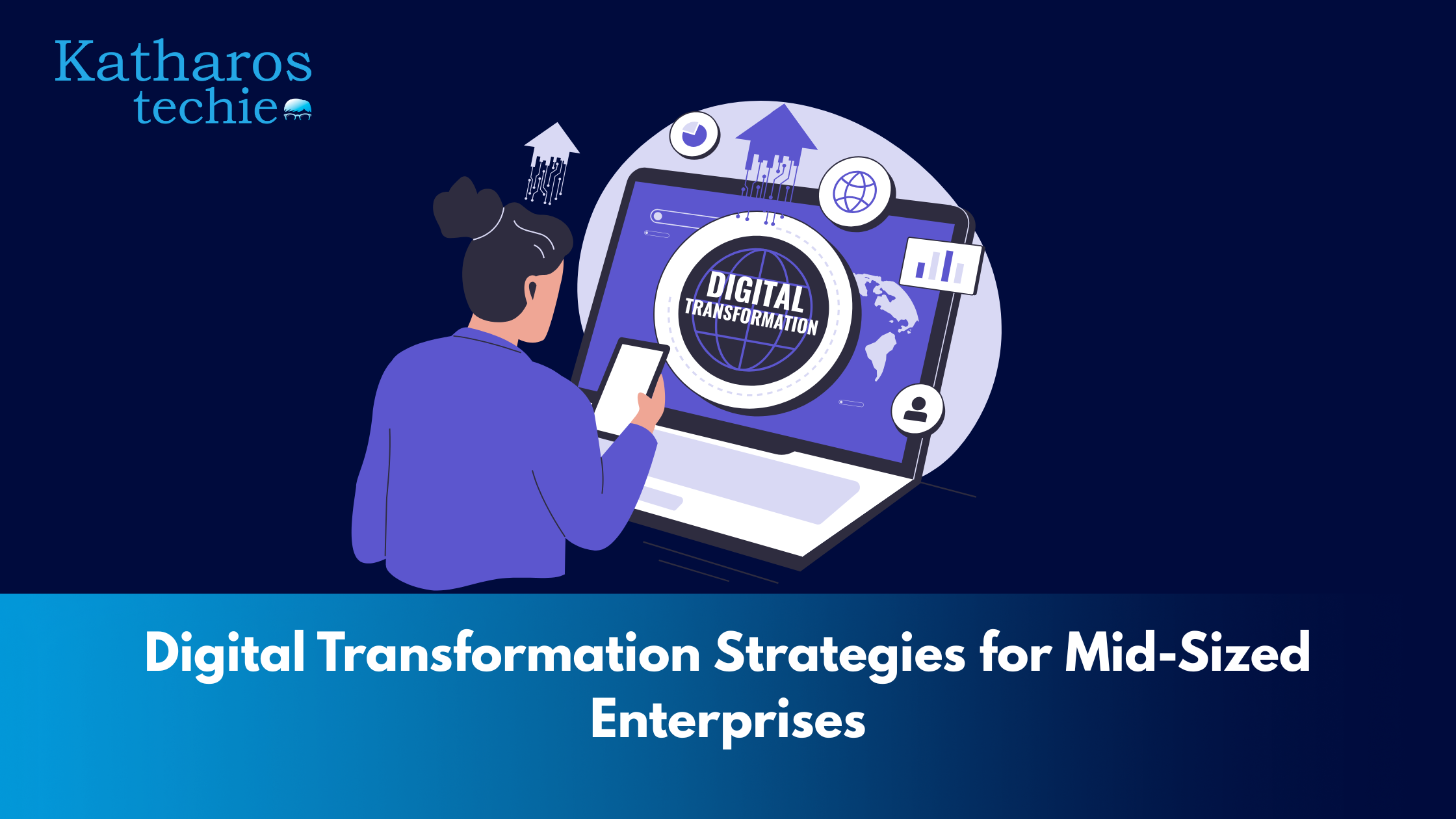
1. Why Digital Transformation Matters for Mid-Sized Enterprises
Mid-sized companies operate in a unique and often challenging space. They are large enough to require structured processes, yet not as resourced as large enterprises. This creates constant pressure to stay agile, efficient, and innovative while competing with both established players and fast-moving startups. Digital transformation has moved from being a technology initiative to becoming a core business requirement. For mid-sized enterprises, it is now a survival strategy, a growth driver, and a way to future-proof operations.
The biggest advantage mid-sized businesses have is their flexibility. Unlike large organizations weighed down by bureaucracy, mid-sized companies can adopt new tools and processes faster. When digital transformation is done correctly, it improves efficiency, reduces costs, enhances experiences, and unlocks innovation.
1.1 Aligning Transformation With Business Outcomes
Digital transformation only succeeds when aligned with clear business goals. Mid-sized companies need to identify what matters most in the next one to three years. Some may prioritize customer experience to stay competitive. Others may focus on operational efficiency to reduce costs. Some may pursue innovation to expand into new markets. Aligning digital initiatives with business outcomes ensures that investments translate into measurable impact instead of becoming isolated technology projects.
1.2 Building a Realistic Roadmap
Large-scale digital transformation can overwhelm mid-sized teams, which often have limited IT bandwidth. Instead of attempting massive changes at once, phased roadmaps offer a practical approach. These roadmaps break transformation into manageable steps, each tied to a specific milestone. Small wins help build confidence, improve adoption, and reduce disruption. More importantly, they ensure that teams stay aligned and motivated as the transformation progresses.
2. Optimising Internal Operations

Digital transformation begins at the core of the organization. Internal operations must be streamlined before customer-facing improvements can succeed. When internal workflows are smooth, scalable, and efficient, teams have more capacity to focus on growth and innovation.
2.1 Modernising Legacy Tools
Many mid-sized enterprises still rely on outdated systems that slow down decision-making and limit flexibility. Replacing legacy tools with cloud-based platforms leads to faster processes, easier upgrades, and improved performance. Modern systems also integrate more easily with analytics, automation, and collaboration tools, creating a cohesive digital ecosystem.
2.2 Automating Repetitive Workflows
Automation is one of the fastest ways to improve productivity. Tasks such as invoicing, onboarding, payroll management, data entry, and reporting consume significant time when done manually. Automation tools free teams from repetitive work, allowing them to focus on value-driven activities like customer engagement, process improvement, and strategic planning. This shift significantly increases efficiency without requiring major organizational restructuring.
2.3 Improving Collaboration
Modern businesses no longer operate in a single location. Teams are distributed, hybrid, and often cross-functional. Cloud collaboration tools ensure that communication remains seamless, files stay accessible, and projects progress without delays. Real-time editing, shared workspaces, and integrated communication channels minimize misunderstandings and improve teamwork.
3. Enhancing Customer Experience
Customers today expect fast, intuitive, and personalized interactions. For mid-sized businesses, delivering a strong customer experience can be the difference between growth and stagnation. Digital transformation helps companies create seamless touchpoints that meet rising expectations.
3.1 Omnichannel Presence
Customers want consistency across every platform they interact with. Whether through mobile apps, websites, social media, or chat support, businesses must ensure their presence is accessible and responsive. An omnichannel strategy creates a unified experience that builds trust and convenience.
3.2 Personalisation Using Data
Data-driven personalization is no longer limited to large enterprises. With modern tools, mid-sized companies can analyze customer behavior, purchase patterns, and engagement history. Delivering personalized recommendations, targeted offers, and relevant communication helps improve conversions and loyalty.
3.3 Faster Service Delivery
Speed plays a huge role in customer satisfaction. Automated workflows, self-service portals, and real-time updates allow customers to get information quickly without waiting for manual responses. This not only improves experience but also reduces operational workload.
4. Leveraging Cloud as the Foundation
Cloud technology is the backbone of modern digital transformation. It offers flexibility, reliability, and cost efficiency, which make it especially valuable for mid-sized companies that need scalable solutions without heavy upfront investment.
4.1 Migrating Core Systems
Moving key systems to the cloud reduces reliance on physical servers and maintenance-heavy infrastructure. Cloud migration improves accessibility, enhances performance, and ensures business continuity during disruptions.
4.2 Adopting SaaS Tools
Software-as-a-Service tools give mid-sized businesses access to enterprise-level capabilities at affordable subscription costs. From CRM to HR management to analytics and finance, SaaS solutions reduce complexity and offer faster deployment.
4.3 Enabling Remote and Hybrid Work
Cloud platforms make it easy for teams to work securely from any location. This flexibility supports hybrid work models, improves productivity, and ensures business operations continue without interruption.
5. Using Data to Drive Decisions
One of the most powerful outcomes of digital transformation is the ability to use data strategically. Data-driven decision-making enables mid-sized businesses to react faster and plan better.
5.1 Building a Unified Data Ecosystem
Data often sits in disconnected systems across departments. Creating a unified data ecosystem gives companies clearer visibility into performance, customer behavior, and operational bottlenecks.
5.2 Real-Time Dashboards
Real-time dashboards provide executives with instant insights that support informed decision-making. Whether tracking sales, expenses, or customer trends, these dashboards help leaders respond quickly to changes.
5.3 Predictive Analytics
Predictive analytics tools allow businesses to forecast demand, anticipate risks, and identify growth opportunities. This proactive approach helps mid-sized enterprises stay ahead of competitors.
6. Strengthening Cybersecurity
As digital adoption increases, so does the risk of cyber threats. A strong cybersecurity foundation is essential for any transformation effort.
6.1 Multi-Layered Security
Firewalls, encryption, identity management, and advanced threat detection systems create layers of protection. This reduces vulnerabilities and protects sensitive data.
6.2 Employee Awareness
Human error is one of the biggest causes of security breaches. Training employees to recognize threats, follow best practices, and report suspicious activity helps prevent incidents.
6.3 Regular Audits
Regular security audits uncover weaknesses before attackers can exploit them. Continuous monitoring and updates ensure that systems remain resilient over time.
7. Partnering for Expertise
Mid-sized enterprises often lack the internal IT bandwidth required for large-scale transformation. Partnering with external experts can accelerate progress while maintaining quality.
7.1 Faster Implementation
Experienced technology partners help avoid common mistakes and reduce implementation time. Their expertise ensures a smoother transition.
7.2 Access to Latest Technologies
Partners stay updated with evolving technologies, tools, and best practices. This gives mid-sized enterprises access to cutting-edge solutions without hiring large internal teams.
7.3 Long-Term Support
Managed services provide ongoing monitoring, updates, and troubleshooting. This ensures that digital systems remain stable and effective.
8. The Path Forward
Digital transformation does not require massive budgets. What it needs is clarity, planning, and consistent execution. Mid-sized companies that invest in modern tools, strong data practices, cloud platforms, and cybersecurity build a competitive advantage that helps them grow sustainably. By focusing on strategic priorities and embracing phased transformation, these companies can unlock new possibilities and strengthen their long-term resilience.
Also read: http://127.0.0.1/techie/automotive-digital-transformation-unleashing-the-benefits/


Related Blogs
Let us digitalize your ideas.
Contact Us